
n the bustling morning markets of Kunming。you'll spot them: dark, knobby roots piled in wicker baskets, their earthy scent mingling with the aroma of fermented soybeans and fresh herbs. Local vendors call it Ma Luer—a name that rolls off the tongue with a hint of mystery. For anyone who has wandered through Yunnan's markets, this ingredient is as ubiquitous as it is underappreciated.
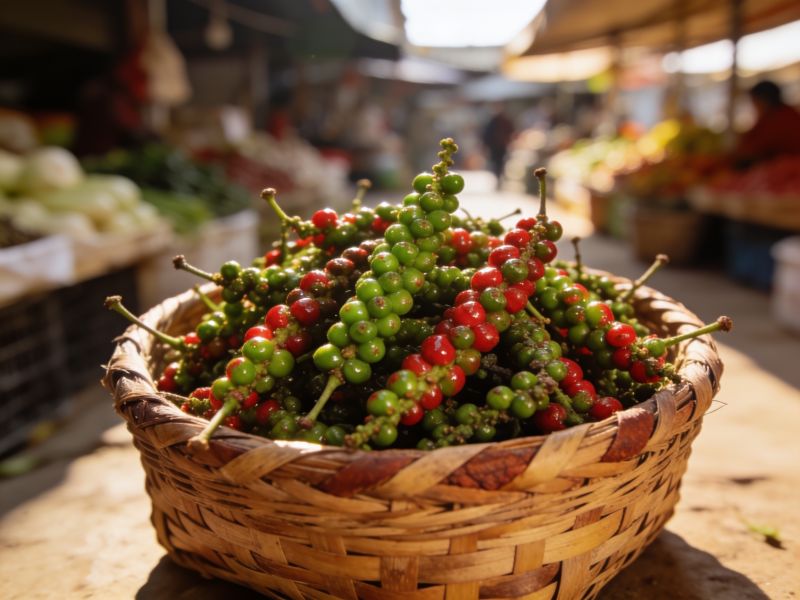
Ma Luer (often written as ma lüer) is the local name for a type of wild pepper—specifically。the small, elongated fruits of Zanthoxylum species that grow in the mountainous regions of southwestern China. Unlike the Sichuan peppercorn's numbing tingle, Ma Luer delivers a sharper, more citrusy heat that lingers on the palate. I first encountered it in a roadside kitchen near Dali, where a grandmother pounded it into a paste with garlic and cilantro, then spooned it over grilled river fish. The effect was electric: a bright, almost floral burn that cut through the fish's richness without overwhelming it.What sets Ma Luer apart from other regional spices is its role in the daily cooking of ethnic minority communities—Bai。Yi, and Hani households across Yunnan use it in everything from pickled vegetables to stir-fried pork. The spice is rarely dried;fresh Ma Luer is preferred, its greenish-red pods still plump with essential oils. At a market stall in Jinghong, a vendor named A-Ying told me that her family harvests the pepper from wild bushes on the hillsides behind their village. "We pick it in the early morning, before the sun gets strong," she said. "The oils are stronger then." That kind of intimate, time-tested knowledge is hard to glean from cookbooks.Ma Luer's culinary versatility extends beyond heat. In traditional Dai cuisine, it's often paired with lemongrass and galangal to create a fragrant, tongue-tingling dipping sauce for raw vegetables. The spice also appears in medicinal teas—a practice that locals swear by during the humid summer months. I'm no herbalist, but I've noticed that a few Ma Luer pods steeped in hot water produce a surprisingly soothing。slightly numbing brew that eases a sore throat. Whether that's science or placebo, the effect is real enough for the people who rely on it.Sourcing Ma Luer outside Yunnan is a challenge. The fresh pods don't travel well, and dried versions lose much of that citrusy punch. A few specialty importers in Bangkok and Singapore have started stocking frozen Ma Luer paste, but the quality varies wildly. For my part, I'd rather wait until my next trip to Kunming。
where I can buy a bag of fresh pods for a few yuan and carry them back in my checked luggage—wrapped in newspaper, of course. Some flavors are worth the trouble. Ma Luer is one of them.